Meeting.Needs2017
Dunstable, UK
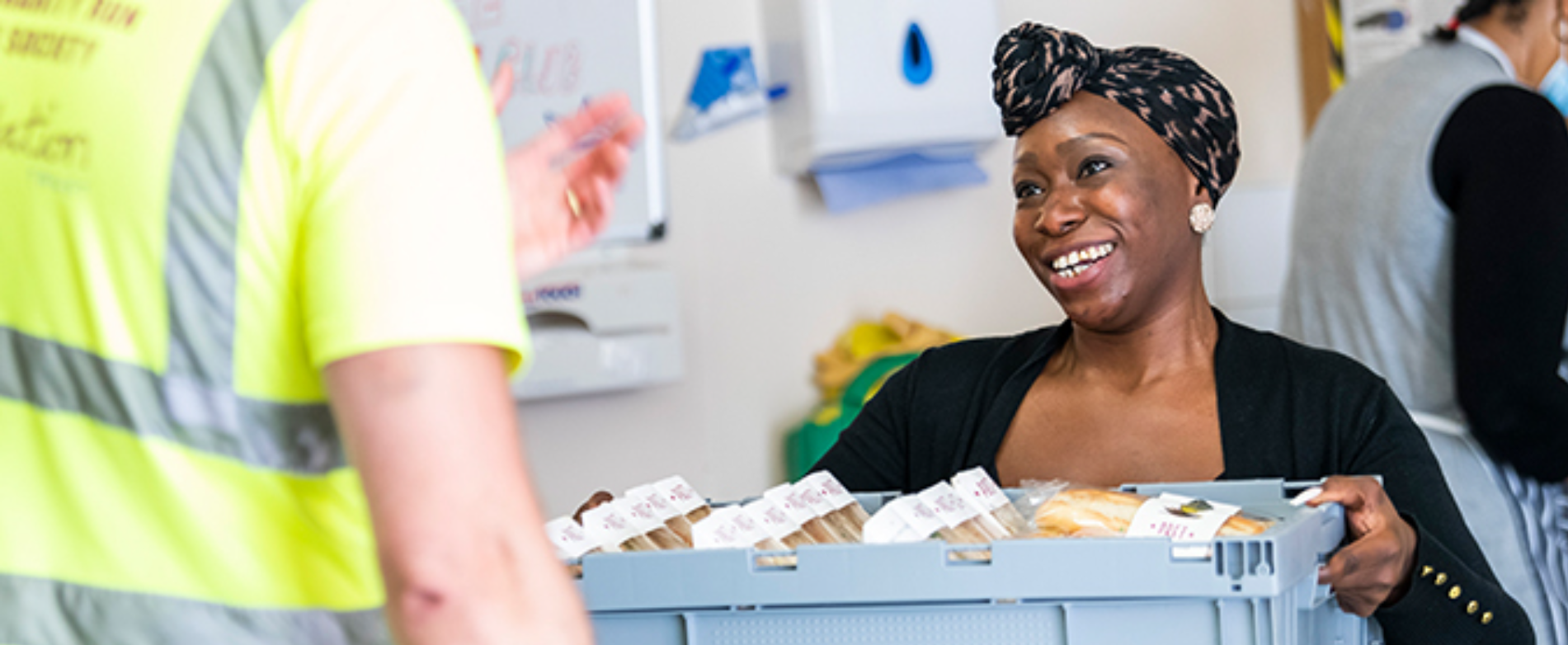
We at 'Meeting Needs' try to meet the needs of those who are in our community on a weekly basis who struggle financially. We do this by making up food parcels and boxes, and then have these delivered to those in our surrounding areas..
What premises does your project operate from?
We do not operate from any premises as we do not store or retain food. All food are delivered on the day, or night that it is collected from the stores due to their "used by date". Our policy is straight from the store, straight to our recipients homes as we conduct a delivery service from store straight to homes. This ensures no one is hampered by having to travel to access the food. Our ethos is to eradicate all barriers that inhibits individuals from accessing food and that includes travel. We also eliminate the need to carry heavy bags of food back to their homes. Our motto is to provide a streamline service that enables our recipients to have an easier way of receiving food which greatly aids our more challenged individuals like the elderly and disabled.
All of our collections are given to shelters, refuges and hostels and private homes. Other parties that benefit from us are single parent families, homeless, low income workers, as well as individuals who are on benefits. The elderly and the disabled and individuals who are in care homes who enjoy receiving our cakes, breads, and flowers.
The users are identified by the need that they show and divulge to us, and the difficulties and challenges that they face in accessing food.
We also supply clothing, household items which are sourced from other Charity organisations.
Has there been local press or similar that demonstrates your organisation's work in the local community?
We do not advertise the work that we do as a respect to the individuals that we serve as some of our recipients are classed as 'vulnerable' ie DV victims.
Food Rescue Group, Manchester
Manchester, UK
The Food Rescue Group at Manchester mobilises an active and committed network of student volunteers and community partners from across the city. Led by students from local universities, the group turns climate concern into practical action by addressing food waste at a grassroots level.
Food waste is a major driver of climate change. Valuable resources such as land, water, and energy are consumed to produce food, yet large quantities are discarded and sent to landfill, where they generate methane, a greenhouse gas far more potent than carbon dioxide. By rescuing surplus food and redirecting it to people who need it, the group reduces environmental harm while supporting families and individuals across Manchester.
The initiative works in partnership with local producers, retailers, and food businesses to ensure surplus food is used rather than wasted. These partnerships reduce disposal costs for businesses while delivering measurable environmental benefits. In Manchester, operations are powered by students from the University of Manchester, Manchester Metropolitan University, the University of Salford, the University of Bolton, and the Royal Northern College of Music, alongside members of the Hindu community and other local groups. Together, they demonstrate how student-led action can create meaningful climate impact.
Pickup and distribution in Manchester are coordinated by Haojun Shuai and Ramanujam Nagarajan, who manage volunteer schedules, oversee collections, and ensure rescued food is delivered promptly and safely. Their leadership supports efficient operations while keeping the group’s work firmly rooted in student engagement and community values.
Food is collected and redistributed within 15 minutes of pickup, ensuring freshness and removing the need for storage facilities. All items are carefully inspected to meet food safety standards, and any unsuitable food is disposed of responsibly to minimise environmental impact. Coordination is managed through a dedicated WhatsApp group, providing real-time updates on collection times, locations, and quantities.
Through this work, the Food Rescue Group at Manchester diverts significant volumes of food from landfill, reduces greenhouse gas emissions, conserves valuable resources, and strengthens community connections. As the group continues to grow, it remains committed to showing how student-led climate action can drive real change, one meal, one volunteer, and one community at a time.