
Fakenham support hub
Fakenham, UK
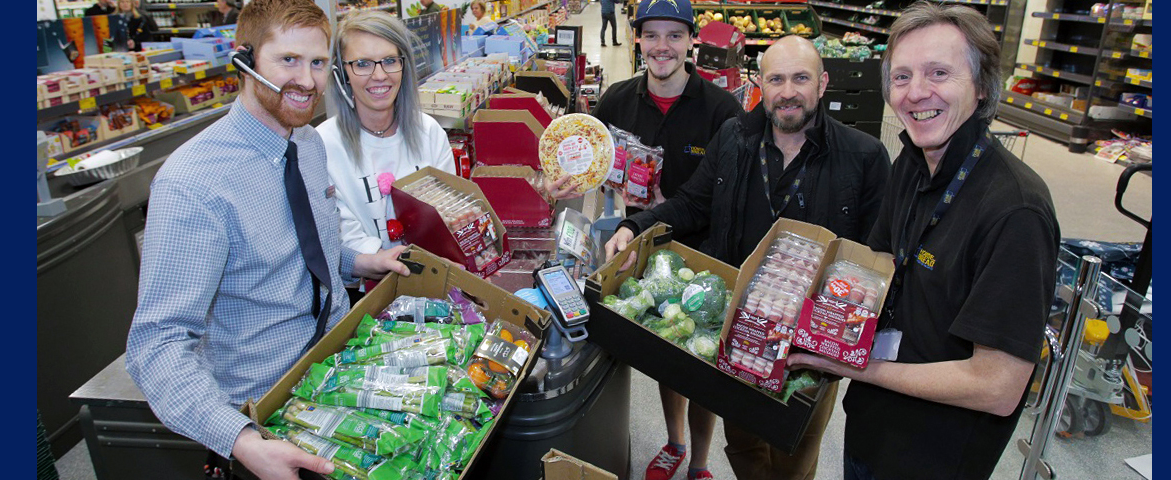
To pick up and provide waste food to local beneficiary's. By Managing food sustainably and reducing waste, we can help businesses and consumers save money, provide a bridge in our community for those who do not have enough to eat and conserve resources for further generations Project is to focus on • Saves money from buying less food. • Reduces methane emissions from landfills and lowers your carbon footprint. • Conserves energy and resources, preventing pollution involved in the growing, manufacturing, transporting, and selling food (not to mention hauling the food waste and then landfilling it). • Supports our community by providing donated untouched food that would have otherwise gone to waste to those who might not have a steady food supply. Thriftiness Tips Be mindful of old ingredients and leftovers you need to use up. You’ll waste less and may even find a new favorite dish. Shop in your refrigerator first! Cook or eat what you already have at home before buying more. Have produce that’s past its prime? It may still be fine for cooking. Think soups, casseroles, stir fries, sauces, baked goods, pancakes or smoothies. If safe and healthy, use the edible parts of food that you normally do not eat. For example, stale bread can be used to make croutons, beet tops can be sautéed for a delicious side dish, and vegetable scraps can be made into stock. Learn the difference between “sell-by,” “use-by,” “best-by,” and expiration dates. Are you likely to have leftovers from any of your meals? Plan an “eat the leftovers” night each week. Casseroles, stir-fries, frittatas, soups, and smoothies are great ways to use leftovers too. Search for websites that provide suggestions for using leftover ingredients.
What we've received