The Urban Fitness Collective cic
Manchester, UK
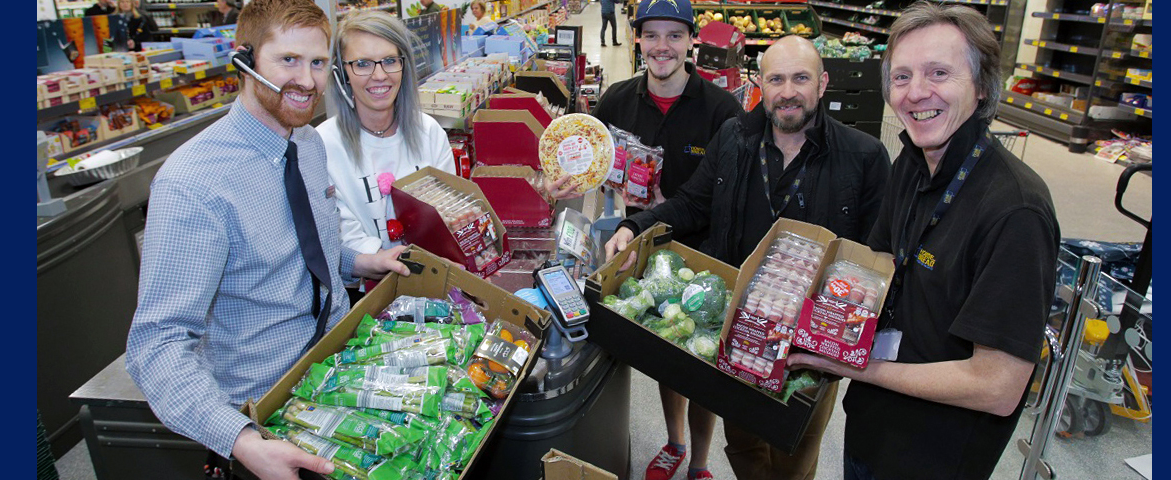
We collect surplus food for local distribution to a local good cause.
Tuf*C works predominately with young people. we give them hope and direction through sport
This project collects surplus food and distributes this to the local homeless accommodation and shelter, namely The Longford Centre, in Chorlton, Manchester, as they are unable to collect themselves,.
The surplus food is used to complement the many daily meals which are prepared each day at the shelter. The shelter is next door to a older peoples residential home, any surplus not required by the shelter is pass to these vulnerable older people to use.
What we've received
Meals289,687
Non-food (tonnes)1.82
Volunteering (hrs)Volunteering (hours)6
Money£400
Southway Housing Trust are aiding in the fight against food poverty by giving support to those who need it most. The rise in food poverty and surge in the use of food banks has shown that many low income families are finding it difficult to feed and provide for their families. This has led to Southway's Quids In initiative to bring people together and tackle food poverty.
Quids In operates 5 Food Club in South Manchester. Our membership has risen, since the start of the coronavirus pandemic, to around 280 low income and vulnerable households every week. This is an increase of nearly 50% so there are more challenges than ever before around getting enough food and we have waiting lists we’re trying hard to work through as quickly as possible.
Usual operation: Members pay £3 and can then visit our small shop and choose around £15 worth of fresh, chilled and ambient food supplied by food redistribution charity Fareshare and other donations. The clubs also act as a means of referring members to other support services. We now have 5 shops supported by volunteers serving Chorlton, Burnage and Withington areas of Manchester.
What we've received
Meals48,563
Non-food (tonnes)0.37
Volunteering (hrs)Volunteering (hours)12
Money£1,500
Food Rescue Group, Manchester
Manchester, UK
The Food Rescue Group at Manchester mobilises an active and committed network of student volunteers and community partners from across the city. Led by students from local universities, the group turns climate concern into practical action by addressing food waste at a grassroots level.
Food waste is a major driver of climate change. Valuable resources such as land, water, and energy are consumed to produce food, yet large quantities are discarded and sent to landfill, where they generate methane, a greenhouse gas far more potent than carbon dioxide. By rescuing surplus food and redirecting it to people who need it, the group reduces environmental harm while supporting families and individuals across Manchester.
The initiative works in partnership with local producers, retailers, and food businesses to ensure surplus food is used rather than wasted. These partnerships reduce disposal costs for businesses while delivering measurable environmental benefits. In Manchester, operations are powered by students from the University of Manchester, Manchester Metropolitan University, the University of Salford, the University of Bolton, and the Royal Northern College of Music, alongside members of the Hindu community and other local groups. Together, they demonstrate how student-led action can create meaningful climate impact.
Pickup and distribution in Manchester are coordinated by Haojun Shuai and Ramanujam Nagarajan, who manage volunteer schedules, oversee collections, and ensure rescued food is delivered promptly and safely. Their leadership supports efficient operations while keeping the group’s work firmly rooted in student engagement and community values.
Food is collected and redistributed within 15 minutes of pickup, ensuring freshness and removing the need for storage facilities. All items are carefully inspected to meet food safety standards, and any unsuitable food is disposed of responsibly to minimise environmental impact. Coordination is managed through a dedicated WhatsApp group, providing real-time updates on collection times, locations, and quantities.
Through this work, the Food Rescue Group at Manchester diverts significant volumes of food from landfill, reduces greenhouse gas emissions, conserves valuable resources, and strengthens community connections. As the group continues to grow, it remains committed to showing how student-led climate action can drive real change, one meal, one volunteer, and one community at a time.
What we've received
Meals208,651
Non-food (tonnes)0.79