Food Rescue Group, Middlesbrough
Middlesbrough, UK
The Food Rescue Group in Middlesbrough takes a practical, community-led approach to tackling food waste and promoting sustainable living across the city.
In the context of climate change, resource depletion, and growing environmental pressures, the importance of this work has never been clearer. A central focus of the group is addressing food waste, a major contributor to the unnecessary loss of resources and methane emissions from landfill. Tackling this issue is both environmentally essential and socially important, as surplus food can provide meaningful support to local families and individuals.
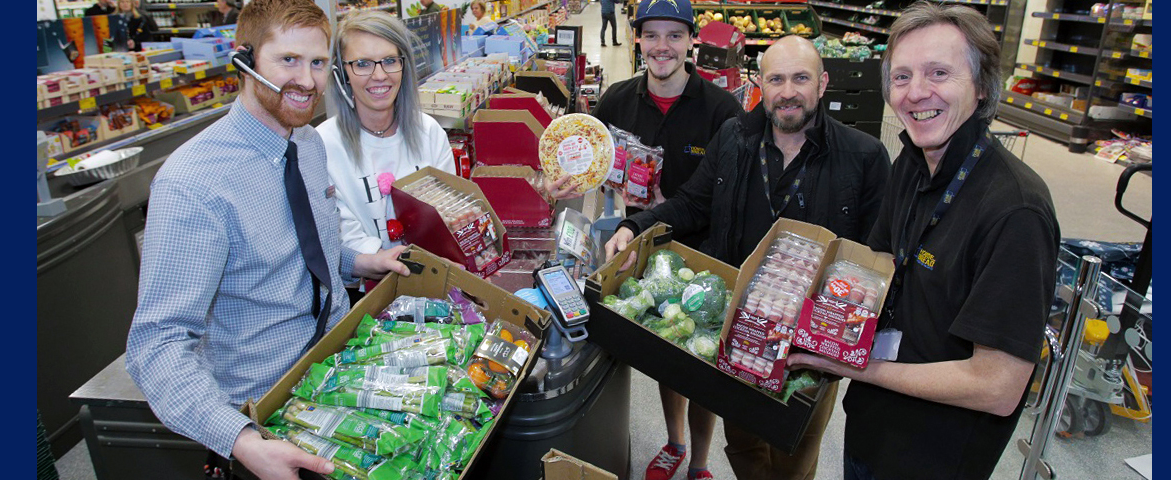
The group works closely with local producers and retailers to ensure surplus food is put to good use rather than discarded. These partnerships help businesses reduce disposal costs while delivering clear environmental benefits. Pickup and distribution in Middlesbrough are coordinated by Sarah Russell and Adriana Dunose, who organise volunteer schedules, oversee collections, and ensure rescued food is delivered promptly, safely, and to where it is most needed.
The initiative is driven by dedicated volunteers, including students from local universities and members of the wider community. Together, they collect and redistribute surplus food shortly after it becomes available, helping to preserve freshness and remove the need for long-term storage.
All food collected is carefully inspected to ensure it meets strict safety standards. Any items that cannot be shared are disposed of responsibly to minimise environmental impact. Volunteer coordination takes place through a dedicated WhatsApp group, providing real-time updates on collection times, locations, and quantities.
By diverting significant volumes of food from landfill, the Food Rescue Group in Middlesbrough is reducing methane emissions, conserving valuable resources, and strengthening community connections. Through consistent, local action, the group is helping build a more sustainable and inclusive future — one meal, one volunteer, and one community at a time.
What we've received
Meals69,631
Non-food (tonnes)0.37
Streets Ahead For Information
Middlesbrough, UK
Streets ahead for information is a small, not-for-profit organisation, Established in 2006. We work in one of the most deprived communities in the UK. Based on the 'local high street' in the densely urbanised area of Gresham/Newport in Middlesbrough, the area is multi cultural with over 45 languages being spoken at one of the local primary school.
the level of owner occupiers has drastically reduced over the past few years resulting in a large stock of low cost rented accommodation
We help residents of the area navigate their way around the issues that life places in front of them.
We offer a drop-in information service, English classes for people with English as a second language, a reporting centre for environmental/waste issues, ASB, hate crime and anything else that they face. we also offer a shop which redistributes unsold food stock.
We provide activities to help people develop skills and to feel less isolated, this includes family tree sessions, friendship groups, up-cycling and recycling workshops.
Our challenge is to run a community gala every year - this becomes more and more challenging as funding is not easy in our area as many of our residents do not have enough money to see themselves and their families thorough the week let alone supply funding for this event.
What we've received
Meals67,703
Non-food (tonnes)0.59
Money£400
Community Shop
Stockton-on-Tees, UK
Since 2011, Sprouts has been dedicated to improving the nutritional, physical, and mental health of our community.
We focus our work in areas of high deprivation, where financial pressures deepen health inequalities. Our main locations are Mandale and Victoria Ward in Thornaby and Arlington Park in Stockton, alongside outreach projects across the borough.
Some of our activities include:
• Community shops, lunch clubs, cooking workshops, and community gardens
• Family pop-up events and volunteer opportunities
• Collecting surplus food from local supermarkets to share in our free, no-referral community shops
• Donating second-hand clothes, household goods, and furniture to ease financial pressure and promote sustainability
We work with children, adults, vulnerable groups, and BAME communities, providing training opportunities like Level 2 Food Hygiene and supporting people to build skills and confidence.
What we've received
Meals33,165
Non-food (tonnes)0.37
Money£400